Showing posts with label Literature. Show all posts

Saturday, November 27, 2010

Saat Rasulullah Dipersoalkan...


Found at: FilesTube


Sejenak marilah kita mengimbau kembali kisah Rasulullah dan para sahabat yang sedang berehat sejenak setelah pertempuran Hunain. Pada awalnya, kaum muslimin begitu bangga dengan kekuatan dan jumlah mereka yang 12,000. Tetapi Allah hendak mengajarkan bahawa logik jumlah bukan segalanya. Di atas itu semua, ada keimanan dalam dada, sikap tawadhu’ penuh waspada, dan perpaduan hati yang kukuh dalam taqwa.

“Sesungguhnya Allah telah menolong kalian, hai para mukminin, di banyak medan peperangan. Dan (ingatlah) hari peperangan Hunain, ketika jumlahmu yang besar itu membanggakan kamu, tetapi (jumlah yang banyak itu) sama sekali tidak berguna bagimu, dan bumi yang luas itu terasa sempit bagimu, kemudian kamu berbalik ke belakang dan lari tunggang-langgang.” (At-Taubah : 25)

Ini adalah hari yang sulit. Ketika Rasulullah s.a.w menyaksikan hanya para sahabat yang ditarbiah sejak awal risalah yang tinggal di sisi baginda. Jumlahnya sedikit. Di manakah 12,000?

Akhirnya Al-‘Abbas bapa saudara Rasulullah berseru lantang memanggil kumpulan-kumpulan manusia. “Wahai kaum Ansar! Wahai mereka yang telah berbai’ah di bukit ‘Aqabah!” Maka satu persatu pun menyahut seruan, “Labbaik…labbaik..”

Namun seluruh wadya kabilah Hawazin dan Tsaqif telah bercerai-berai dan melarikan diri ke benteng mereka di Thaif. Sebenarnya mereka bertaruh kekayaan, dan keberanian Nabi s.a.w dan para sahabat tidak cukup memberi kekuatan kepada mereka sehingga sanggup kehilangan segalanya. Mereka menyayangi nyawa.

Kini tinggallah Rasulullah s.a.w membahagikan rampasan perang yang terdiri dari berlembah-lembah kambing, unta, emas, perak dan tawanan. Pertimbangan manusia mengatakan bahawa kaum Ansarlah yang paling berhak mendapat rampasan Hunain yang banyak itu. Tetapi Rasulullah malah memberikannya kepada pemuka-pemuka Thulaqaa, muallaf Makkah yang paling depan dalam melarikan diri dari pertempuran dan berkata, “Mereka tidak akan berhenti berlari sehingga mencapai laut!”

Ada sesuatu yang membebani setelah pembahagian itu, sesuatu yang disampaikan oleh Sa’ad ibn 'Ubadah dan menyebabkan kaum Ansar dikumpulkan di sebuah kandang kambing yang luas. Rasulullah s.a.w lalu datang berbicara kepada mereka.

“Wahai semua kaum Ansar, ada desas-desus yang sempat aku dengar dari kalian, dan di dalam diri kalian ada kegusaran terhadapku. Bukankah dulu aku datang, sementara kalian dalam keadaan sesat lalu Allah member petunjuk kepada kalian melalui diriku? Bukankah kalian dulu miskin lalu Allah menjadikan kalian kaya, bukankah dulu kalian bercerai-berai lalu Allah menyatukan hati kalian?”

Mereka menjawab, “Begitulah. Allah dan Rasul-Nya lebih murah hati dan lebih banyak kurnianya.”

“Apakah kalian tak mahu menjawabku, wahai orang-orang Ansar?”, tanya baginda.

Mereka lalu bertanya,”Dengan apa kami menjawabmu Ya Rasulullah? Milik Allah dan Rasul-Nyalah anugerah dan kurnia…”

Baginda bersabda,”Demi Allah, kalau kalian mahu, dan kalian adalah benar lagi dibenarkan, maka kalian bisa mengatakan kepadaku: Engkau datang kepada kami dalam keadaan didustakan, lalu kami membenarkanmu. Engkau datang dalam keadaan lemah lalu kami membantumu. Engkau datang dalam keadaan terusir lagi papa lalu kami memberikan tempat dan menyaramu…”

Sampai di sini air mata sudah mulai berlinang, pelupuk mereka terasa panas dan esak mulai tersedan.

“Apakah di hati kalian masih terbersit hasrat terhadap sampah dunia, yang dengan sampah itu aku mahu mengambil hati sekumpulan orang agar masuk Islam, sedangkan keislaman kalian tak mungkin lagi aku ragukan?”

“Wahai kaum Ansar, adakah tidak berkenan di hati kalian jika orang lain pulang bersama kambing dan unta, manakala kalian kembali bersama Allah dan Rasul-Nya ke tempat tinggal kalian?”

Esak itu semakin berat, janggut-janggut sudah basag dengan airmata.

“Demi Zat yang jiwa Muhammad dalam genggaman-Nya, kalau bukan kerana hijrah, tentu aku termasuk kaum Ansar. Jika manusia menempuh sebuah jalan di celah gunung, dan orang-orang Ansar memilih celah gunung yang lain, tentulah aku pilih celah yang dilalui kaum Ansar. Ya Allah, sayangilah orang-orang Ansar, anak orang-orang Ansar, dan cucu orang-orang Ansar…”, Rasulullah menutup penjelasannya dengan doa yang begitu mententeramkan.

Dan tentulah, akhir dari semua ini cukup mempesona, semempesona pengorbanan kaum Ansar selama ini, “Kami redha dengan Allah dan Rasul-Nya dalam pembahagian ini.., kami redha Allah dan Rasul-Nya menjadi bahagian bagi kami…”.

-Dipetik dari Buku “Bahagianya Merayakan Cinta” tulisan Salim A. Fillah. Salah satu dari puluhan coretan menyayat hati dan mengusik rasa yang terdapat dalam setiap helaian buku ini.
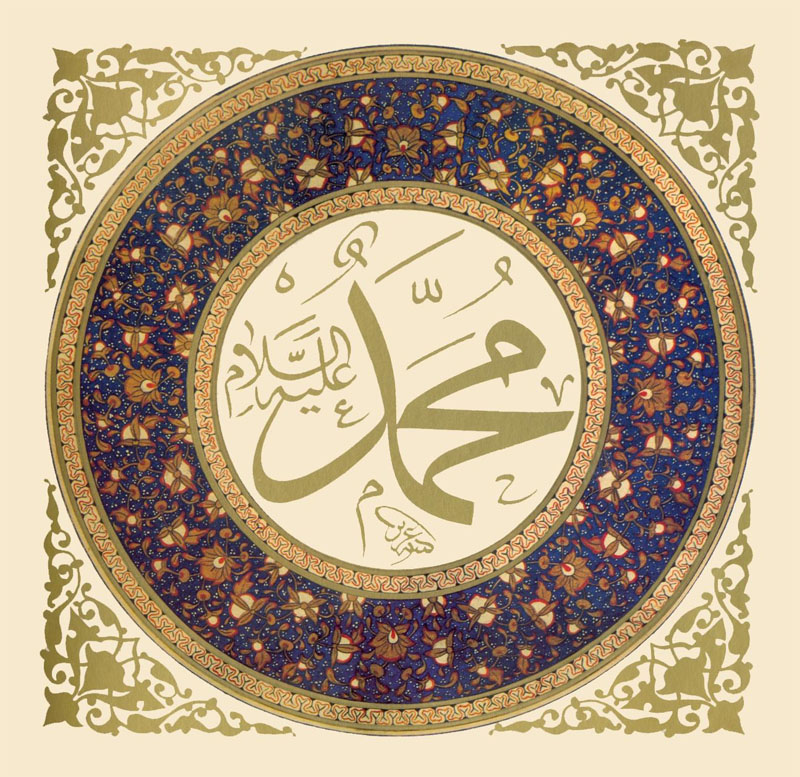
Sollu 'ala Rasulillah habib Al-Mustafa... wa 'ala alihi wa sohbihi ajma'in.

-IMAN NAILAH 2010-


Sunday, June 7, 2009

The Kite Runner; The Novel


“For you, a thousand times over,” Amir said to Sohrab. With that, Amir was the happiest man in the snowy park of San Francisco.

The theme of the pleasure of giving is one of the best message delivered in “The Kite Runner” wrote by Khaled Hosseini. Friendship, love, guilt, fear, betrayal and salvation, hope and faith, cruelty and punishment are the other themes brought by the author. In the beginning, we were introduced to the main character Amir, an Afghan who migrated to the U.S, struggling with the guilt he hides for more than 25 years. With the call from Rahim Khan, a long time friend from Kabul, we were brought back to his childhood life where he live with his wealthy father and two loyal servants of a Hazara man name Ali and his son, Hassan who becomes his only best friend.

He treats Hassan like his toy, he plays with him and become the place he shows his compassion. As they play and grow together he learns how he like the company of Hassan, but in the same time he envy him for having the potential his father hopes in a son. He craves for his father’s affection, wanting his attention all for himself. One day, his fear made him betray Hassan and he made his only best friend leave with his father, not knowing that that would be the last time they see each other.

The story returns to the present and the image of that day still clear as the river. His cowardice has now become a big stone that covers his guilt. He’s now already an adult with a beautiful wife named Soraya, a good life as a writer and most important far from his long left but unforgettable sin. Now he was asked to go back to the place he most feared, to face it all again.

“There is a way to be good again”, said Rahim Khan. That sentence brought Amir back to Kabul, thinking he is visiting a sick old friend. Then everything gets 360 degrees when the truth is revealed. Hassan had been killed and he left a son. Now he has to retrieve the son from the Taliban whom had dominated the Afghan society. He hesitated and gave excuses, but the biggest truth is then revealed – he and Hassan are half-brothers.

How it ends? You have to read it yourself. The book had been first published in 2003 and the film adaptation had been made in 2007 if I'm not mistaken. Comparing both, I say the book maybe should just stay as a novel. There's no way the film can match up as emotional and as beautiful as the book. No offence to the film-maker, it's just that the story is so rich, cutting and simpling it up makes the story lose it's strength point.

I see Khaled Hosseini’s great quality is in the way he describe every plot of his story. He made believe like we are really experiencing the conflict, feeling all the emotion and the intensity. The characters were well built, as we get to know every person in depth without exaggeratedly described. I can easily absorb the development and the climaxes of the story even though many flashbacks technique were used in the book. Maybe in some plot can be easily predicted, but for me it still leaves a great impact.

I can say that the best persona of the book is the story itself. Maybe I rarely read novels, but I read short stories and watch a lot of movies. The story was extraordinary as it brought a simple theme but use a unique background and culture. Using a real current issue and event, the story seems real and poignant, yet it is so fresh; you had never heard something like it before.


-IMAN NAILAH 2009-

Sunday, March 8, 2009

Mengubur Bahasa Sendiri


Beberapa petikan wawancara Harakah dengan Prof. Dr Ir Wan Abu Bakar Wan Abas dari Jabatan Kejuruteraan Bio Perubatan, Fakulti Kejuruteraan Universiti Malaya yang mengajar subjek kejuruteraan dalam bahasa Melayu di universiti.

Apa pandangan Prof terhadap dasar PPSMI yang dilaksanakan oleh kerajaan?

PROF DR IR WAN ABU BAKAR: Bahasa Melayu patut diberikan peluang untuk berkembang sebagai ilmu terutama ilmu sains dan teknologi. Seandainya kita tidak menggunakan lagi bahasa Melayu untuk menguasai atau belajar, maka ilmu bahasa Melayu itu akan terbantut perkembangannya. Saya rasa suatu hari nanti bahasa Melayu akan ketinggalan dibandingkan dengan perkembangan ilmu. Ini sekali gus akan membunuh bahasa Melayu itu sendiri. PPSMI ada orang anggap ia penting tetapi budak-budak yang diberi peluang untuk menerima ilmu ini dengan baik sepatutnya dilakukan dalam bahasa yang mereka fahami.


Asasnya Kementerian Pelajaran meneruskan PPSMI ini kerana bahasa Inggeris amat
sesuai untuk bidang sains dan matematik khsusnya dalam era teknologi masa kini. Pendapat Prof?

Semua bahasa sesuai untuk bidang matematik dan sains, malah kalau kita lihat kekuatan bahasa Inggeris sendiri bukan pada sains dan teknologi. Tetapi kekuatannya adalah pada sasteranya. Itulah kekuatan sebenarnya bahasa Inggeris. Sains dan teknologi tidak pentingkan sangat bahasa apa yang digunakan. Sebaik-baiknya dalam bahasa yang kita fahami. Bahasa Melayu juga sesuai seperti bahasa Inggeris. Kedua-duanya sesuai. Sama sahaja tidak ada lebihnya. Dengan syarat kita terus bangunkan bahasa Melayu dengan perkembangan ilmu seperti yang kita lakukan sebelum ini. Kita buat istilah, buat sainstifik dalam bahasa Melayu. Asalkan kita boleh mengajar dalam bahasa Melayu dan tidak akan timbul masalah.

Sejauhmana berkesannya pengajaran sains dan matematik dalam bahasa Inggeris? Sedangkan kalau kita lihat negara seperti Jepun, Jerman, Perancis yang menggunakan bahasa mereka akhirnya boleh maju juga...

Saya hidup di Kuala Lumpur dan Petaling Jaya. Memang anak-anak saya tidak ada masalah untuk bercakap bahasa Inggeris seperti mana mereka bercakap bahasa Melayu. Tetapi kalau kita pergi keluar Lembah Klang dan bandar-bandar besar, budak-budak kita memang akan merasa terasing jika kita ajar matematik dan sains dalam bahasa Inggeris. Sudahlah ilmu itu bukan ilmu yang senang, asing dan bukan sebahagian daripada budaya mereka.


Ulasan lanjut Profesor Dr Ir Wan Abu Bakar Wan Abas berkenaan isu ini boleh dibaca pada Harakah Bil 1420 (Edisi Jumaat) bertarikh 6 - 8 Mac. Saya secara peribadi bersetuju dengan jawapan Profesor Wan pada soalan yang terakhir. Kiranya kita tidak mementingkan diri tentu kita dapat membayangkan anak-anak orang asli, anak-anak India di Estet, anak-anak Penan dan anak-anak Tionghua di pedalaman. Selalunya 'pejuang PPSMI' bercakap bagi pihak dirinya sendiri tanpa memikirkan manfaat untuk umat, bangsa dan nusa secara keseluruhan.

Dipetik dari: http://tehranifaisal.blogspot.com/2009/03/ayuh.html

Sunday, November 30, 2008

Now I Know Why They Said It's...- Episode 2


1.45pm
Selamat datang ke Rumah Sakit Ibu dan Anak Siti Fatimah!

2.00pm
Muka Chwi sungguh berseri-seri waktu menyampaikan penjelasan tugas-tugas yang bakal dipindahkan ke bahu kami berdua (Ainul dan aku) selama seminggu ini. Ohoho…

2.30pm
Perawat di sampingku menyapaku sambil tersenyum.
“Akak yang gantikan untuk minggu ni ye?”. Aku tersenyum mengangguk.
Dia menyambung, “Kakak itu (sambil menunjuk ke arah Chwi) tak pernah tidur tau...!”
Ohohoho…


3.00pm
Sambil mengintai-intai 11 baby-baby yang bermasalah kat kamar bayi, aku still blur2 ape nak buat. Nak kate kena follow-up, satu je yg kena follow-up. Mane sibuknya? Santai je...biar betul...

5.00pm
”Meh makan...adik koas, dah pernah try kapurung?” perawat mengajak kami yang terpinga-pinga.
”Kapurung? Ape tu?”
Ternyata kapurung ni besh jugak! Habis 3 pinggan! Waduh2...asyiknye kalo macam ni terus!

6.00pm
Ada tiga partus! What??? Tiga sekaligus?
Ape patut aku buat??! Ohohohoho....(sambil berlari-lari ke kamar bersalin)

6.15pm
Aduh...camne nak pegang baby ni...mati anak orang karang...
Okay, timbang, ukur-ukur-ukur, suntik, bungkus, bagi die menyusu ngan mama die, dan tulis status yang panjang gile...
hmmm....
Caput succadenum?
Refleks moro?
Expiratory grunting?
H/L?
APA ITU???

Hari itu berjalan begitu perlahan….mcm orang bercinta, sehari bagaikan setahun! semuanya kelihatan sangat kabur.

From that nite and on, kami belajar satu-persatu perkara yang tugas perlu kami buat kat sini which consist of:


1 - Setiap pagi bermula jam 2 am kami kena tulis status semua pasien untuk follow-up esok harinya...


2 – Starting 5am after performing Subuh prayer, kami kena telanjangkan baby dan timbang mereka sume!!! Hehe But there’s a catch! Sambil telanjangkan, baby2 ni boleh jadi baru buang air kecil atau besar...huhu So kamilah kena bersihkan...ohoho Apepun depa tetap cute!!!

3 – Follow up! TNPS are modified to HrPS which stands for Heart Rate-Pernafasan-Suhu. Every baby tau! Tanye jugak dah brape kali buang air besar, warna apa, kencing smoothy tak(hihi), tengok tali pusat die basah atau kering and ada tanda2 inflammation tak…okay?

4 – Pastu around 8am doktor akan dating utk visite (ward round). Turun naik pusing-pusing…tulis resep(for medications) dan pengantar lab…anything the patients need, we’re here to serve!


5 – Back to kamar bayi, doktor akan isi status dengan instructions. Sambil tu kite buat jadual susu for all the babies kat kamar bayi. Jangan lupe berat badan baby, because the nurses need that to suit them with their milk!

6 – Sometimes kena buat parenteral feeding utk baby yang kena puasa. Baby ni dipuasakan sbb die sesak, distress pernafasan, cannot drink thru mouth. So alternatively, thru infuse. Makanan die ni consist of certain ingredients which have been calculated by the doctor. So keje kami adalah membuat parenteral food ni…senang? Bukan mcm buat air sirap tau…need full concentration and patience! Satu kesilapan can cost u a fortune! Seriously! (ada sejarah sebenarnye…) Wanna try? ohoho

7 – Sepanjang hari, we need to check at the labour room every half-an-hour for any spontaneous partus(normal labour) or sectio saesarian (operation labour). Pada hari2 santai, partus boleh menghantar sehingga10 bayi2 ke kamar bayi! Terima kasih doktor2 obgyn! ;)

8 – Sambut bayi, suction2, timbang dan ukur, buat APGAR dan BALLARD die (which are complicated to be explain here…next time maybe k…), resepkan neo-K (vit. K penting utk baby baru lahir utk cegah perdarahan) dan suntik intra-muskular, bungkus, bagi mak die utk menyusu! (Fuuuh…! Selesai satu baby!)

So basically itula keje wajib kami kat Fatimah. List di atas tak termasuk keje2 tambahan tak berbayar yang sebenarnye bukan keje kami. They are:

1 – Bagi baby minum susu. For newborn babies, sgt tak digalakkan bagi minum susu pakai botol susu sbb ini boleh ganggu pertumbuhan rahang depa, so kena bagi either using small spoo n or spoit (picagari). Tak tersangka, kesabaran yg tingi diperlukan utk menyempurnakan kerja ni hanya utk seorg baby. Apatah lagi 10 babies!!! Thank God I’m not a nurse!


2 – Menyambut bayi adalah keje seorg nurse kebidanan, not a co-ass. Tapi pernahlah satu hari, nurse2 ni tiba2 menghilang! So ape lagi, kamilah yg ditunjuk. Nasib baik dh pernah tgk byk kali sangat…so takdela kekok. Aku pakai apron, sarung tangan sterile, tadah sarung (kain batik), sambut baby, bersih dan keringkan, rawat tali pusat dan bungkus!

Some moments yang tak terlupakan:

1 – There’s one day, semua doktor residen anak ada exam nasional, so kami ditinggalkan tergantung tanpa tali! Kalau ada pape, all up to our heads and hands… Oh noooo!
Nak dijadikan cerita, hari tu lah yg paling hectic! That day lah ada banyak SC, time tulah ada patient gemelli (kembar) which is very prone to pathological condition due to their size and their mother’s strength to give birth to two babies… So there I am, waiting in full curiousity, what will happen to the babies? When the first baby is out, cepat2 kitorg bawa ke kamar bayi, suction, rangsang taktil…thank God after a few seconds die pun menangis…then baby kedua…after 15 minutes die still tanak kuar! Ibu…semangat bu! Kuat!!! Aku rase aku yg paling nervous dlm bilik tu sbb in my mind, kalau baby tu mati, I’ll be dead too! Huhu Alhamdulillah, again, after a long few minutes, the second baby keluar sendiri walaupun before that try pakai vacuum tak berjaya…at the end, both babies selamat dan sihat… :)

2 – Melihat ibu2 yang bakal bersalin. Gelagat mereka: unforgettable! When people are in pain, they tend to do unimaginable things such as crying like a baby, making funny faces, and even being in a position which seems like a horse or a cow. Seriously…even it’s not supposed to be laughed at, it’s too funny! I’m sorry to that particular person for laughing at her, I didn’t mean to, but in an absent mind with a very exhausting body, we kind a searching for entertainment in everything. Our bad! Really sorry…

3 – Opposite to d above, it’s very warming and heart-felt to see a mother’s reaction looking at her baby for the first time…there’s no word for it…what I know is that they are the happiest person at that time…I hope one day I will experience something like that, the moment of my life…insyaAllah…

3 – My moments with the babies! I love everything about them! Their faces, their cries, their smells, their skins, their chuckles…owh, aren’t they the cutest thing?!!


As conclusion, I can say this might be the most exhausting week in my life!
Stressful, painful(literally) until it leaves a mark at my foot! (after that kaki aku sakit selama seminggu di LB, time cek doktor, doktor ckp aku maybe kena gout arthritis…how serious is that??)
Kat sane kitorg betul2 emotionally challenged! Bile2 je boleh rase nak mengamuk, rase nak nangis (dh nangis dh pun…), rase nak buat muke…tp alhamdulillah, Allah beri kekuatan di sebalik setiap kekurangan.
We become more mature, more stabilized in emotional control, smarter in making our choises; lepas ni jgn pilih Fatimah lagi!! huhu

RSIA Fatimah dah memahatkan kenangan signifikan dlm minda dan hati ini…I’ll use what it taught, I’ll leave what’s painful, I’ll keep what it gave as a unique present…

And now I know why they said it's STRESSFUL at pediatric department!

IMAN NAILAH 2008
noradrenaline2001@yhaoo.com

Saturday, May 17, 2008

SAVE MALAY LITERATURE!

Malay lit under threat- A. Samad Said
Sources: http://www.sun2surf.com/article.cfm?id=20962 By: Bissme S.


National Laureate Abdul Samad Muhammad Said, better known as A. Samad Said, has 65 books to his credit, from short stories to poetry. His popular novels include Salina, Hujan Pagi, Cinta Fansuri and Langit Petang. The state of serious Malay literature in the country, however, makes the writer sad, angry, and frustrated. He tells Bissme S. he has given up all hope of it getting the recognition and support it deserves.


What is the biggest challenge you face as a Sasterawan Negara (National Laureate)?

To get real recognition, to have all your work accepted, especially in school. As a writer, you usually want your books to be accessible to students, who will be your audience in the future. There was recently a news report that two years from now, books by national laureates would not be included in the school curriculum.


What is your opinion on this matter?

Some clever guys in the Education Ministry have said Sasterawan Negara books shouldn’t be included in school because they are difficult. During my school days, we studied William Shakespeare, George Bernard Shaw, John Buchan’s The 39 Steps and Lord Byron. They were hard. But we had good teachers as intermediaries ... to help us understand the text. When you are 18 or 19, you already know these famous literature figures. So you don’t agree with the move? I think what they are doing is insulting. Usman Awang, Keris Mas and Shanon Ahmad have been writing for almost 50 years. You cannot just say all the work of Sasterawan Negara are difficult. There are bound to be one or two books that are suitable. You can say my poem Al-Amin is very difficult. But I have another poem Kita Ini Tetamu Singgah, which has been made a song. That poem is easy. You must have teachers to help you understand the text, so you have some knowledge of good literature. When Anwar Ibrahim was the Education Minister, and then when he was Finance Minister, he took care of this. He respected literature. He remembered writers. He even sent me books ... good books ... to read. He would invite Sasterawan Negara to read poems and their work for his office functions. This is rarely done now. He even invited W.S. Rendra from Indonesia to read poems for his functions. He encouraged reading.Even in Tun (Dr) Mahathir (Mohamad)’s time, he sent me books. He wrote "Samad, you should read this." They (Mahathir and Anwar) created situations where you love literature, where you loved writers.

Do you think these situations no longer exist?

Yes. It is very clear from what they are doing. Some people say you’re angry because you’ll get less in royalties when your books are not used in schools. I am 72 now. I don’t need a lot to survive on. I just need a small amount of money. I don’t even have a car. So I don’t have to worry about petrol and road tax. It is not about royalties. I don’t mind that they don’t want to use my books.


So you believe fewer youth will develop the reading habit as a result of the move?

Yes. With the help of the Education Ministry, this will happen. Just think of these students two decades from now. They are not exposed to good literature. If you start saying the work of Sasterawan Negara are difficult at school level, then don’t expect them to touch these books when they leave school. You are sending out a clear message - do not read the work of Sasterawan Negara. Everything should start in school. We are not creating a situation where people will read good literature. In America the students are studying To Kill A Mocking Bird, and in England they go for Lord Of The Flies. All are difficult books. If you want simple books, then just read ABC all the time.

Are you sad at the situation?

I used to be. But not anymore. I am angry now. They should be respecting Sasterawan Negara. But they are not. What is your hope for serious Malay literature? What changes would you like to see the government make? I don’t want to visualise anything anymore. I have no more hope. I will leave the situation the way it is. There is a small group of people in the ministry who are so clever, let them go on being clever. If they want it like that, let it be. I want to make them happy.

It appears that you have given up?

Yes. I have given up. I am sick of it. I don’t care any more. I am defeated. What is your view of Dewan Bahasa dan Pustaka (DBP)? They have no tongue. (Writers association) Gapena (Gabungan Penulis Nasional) has no tongue now. They have not shown any reaction to this school situation. Their silence shows that they agree with what the ministry is doing.

The last time we spoke, you said you were trying to get from DBP the copyright for your books so you can publish your own books. Did you succeed?

Not all. They have given me the rights to 12 books, but not to seven others ... the most important ones ... the ones I want.

DBP always says the work of Sasterawan Negara is difficult to sell. When you ask for your copyright, they don’t want to give it to you.

I think it is the right time to give me the rights to all my books. What is the point of keeping the copyright for my books if people are not interested in reading them?

Is it your opinion that we do not appreciate Malaysia’s literature figures?

I believe so. I have just returned from Korea after attending an Asia Africa Literary Festival. I was there for nine days. It was wonderful to see how they loved books and writers.There was a special segment on me on TV. I was so inspired that I have written 68 poems and will compile them into a book called Soneta Pohon Ginkgo (available in the market in April). My poems were recently translated into Bangla and launched in Bangladesh. It appears that I am beginning to be appreciated in other countries. So I don’t worry that my country doesn’t appreciate me.

Do you think the country will ever learn to appreciate you?

When you are no longer here, then they will appreciate you. They will sing praises of you. They will say we have lost a shinning star from the sky. They will say you are so good. They will say hilang tak dapat diganti. (what is lost cannot be replaced)

You constantly criticise DBP. But they gave you your first big break. They launched you into stardom by publishing your books. Some might say you are biting the hand that feeds you.

Yes. I bite the hand if I see the hand doesn’t really give me good things (laughs). It is wrong to say DBP gives me anything. The people give tax to the government and the government goes through DBP and then DBP gives the money to me. It is people’s money that published my books. If I owe anything to anyone, I owe to the people who paid taxes. I don’t owe DBP. It is their mission is to see what allocation they have and give the money to the authors who they think can give back to the country. The money is not from the DBP director’s own pocket. Some people think I might have grudges against DBP. But that is not the case.

What kind of roles do you like to see DBP play in promoting literature?

I don’t want to complain about DBP anymore. What is done is done. What I care about now is just give me back my copyright and I will be happy.

How do other Sasterawan Negara feel about the situation?

Maybe I am the only one who is not happy with what is happening. Maybe the others are happy. I should not represent them.

What do you think of your own writing and your own work?

I keep meeting people who ask me about the same book I wrote almost 50 years ago. I wrote it when I was 23. I’m going to be 73 in April and people are still taking about Salina (his first novel). It is as if they don’t know that I have written 65 books. I have gone into short stories, novels, essays, poems and plays. But people keep coming back with the same book. Yes they know me, it doesn’t necessarily mean they read my work. I believe they read my work only when they are in school. (Salina is a school textbook) Only those who want to be writers read all my books later.

How do you know people don’t read your other books?

I know when people read my work. When I ask questions about my books, they grope in the dark. Reading is not easy. Unless you have cultivated the habit, you will not read. Things are becoming easier with the existing graphic novels. Now they can see pictures only. The intellectual groups always complain that my books are difficult to read, my books are difficult to study.

So why don’t you make your books easy to read like popular fiction?

I am always moving up. I should not go down. They (readers) should also go up. If they don’t understand me, it doesn’t mean I am wrong. I am 72 and I have been through all sorts of experiences. I don’t just make a sentence. I care about every word I write, whether it is reasonable, whether it is beautiful. Schools must help them come to that level. Instead they just say the books are difficult, so let us run away from them.

You could write in English. Why don’t you write in that language?

People have in the past advised me to write in English, so I will get a bigger audience. But I want to create Malay literature. When I die, I want to leave behind a khazanah Melayu (Malay heritage). You can have my work in English after you translate it. A lot of writers in the world write in their mother tongue and have their work translated into English. Some say you see English as a colonial language and as a result dislike English and refuse to write in it. (feigning disapproval) Yes. I dislike the English language. Yes, I don’t like it that you write in English ... You have no alternative because English is the language of the world. Most of what I have read is also in English. As I said earlier, I want to create Malay literature.

So why haven’t we translated your work as well as that of other Sasterawan Negara in English so the books can be sold in the overseas market?

You should ask this question to DBP and the National Translation Institute. That is their work. I wonder what the function of the institute is if they don’t translate work. Do you think the media is supportive of serious Malay literature? They are not helping. Malay newspapers do not have a specific literary editor ... I don’t know about English language newspapers. As a result, good books get ignored. Bad books get advertised and supported. Good literary events don’t get reported.

Do you think you have come to a stage where critics are afraid to criticise your work and say what you have produced is the work of a genius?

We do not have good critics. I don’t worry about that. But there are people who still say I write rubbish. There have been arguments before this on why a book like Salina, in which I write about prostitutes in Singapore, should be promoted in school. They say the topic is not suitable for students. But in America students read To Kill A Mockingbird, which is about racial discrimination. They want to explain to students about racial discrimination.

How would you like to be remembered?

As an A. Samad Said who was always unhappy with what was happening around him. Why this unhappiness? I want different things. I dream of a caring society, where there is peace, where we respect each other, where we will always smile always, where we shake hands and hug each other. We don’t get that in Iraq or Pakistan or Indonesia, and we don’t get that in Afghanistan. But this is the world, This is not heaven. You get that only in heaven.

Some people believe this is zaman kejatuhan (the era of the downfall) of serious Malay literature. Do you agree?

I do not think literature has jatuh (fallen). There are still new young writers such as Faizal Tehrani and Nisah Harun who are writing serious literature. If I can fall down, they too can fall down. But I always tell them to continue to write no matter what. But there is no appreciation for what you have given them. I would say this is zaman kejatuhan penulis (the era of the downfall of writers).

Did you ever imagine that serious literature would be in the doldrums when you first started writing?

Never. When I started writing (in his 20s), I thought the writing scene would have a vibrant and marvellous future. But I was wrong. If they don’t want to read my books, what can I do? If they don’t want to read books, what can I do? They will be stupid because they don’t read.

In the current situation, how do you motivate yourself to write?

There are times when I want to give up writing altogether. But when I pray, I feel peaceful and I become inspired. Lately, I have been painting and drawing. I held an exhibition recently and sold 20 paintings. I got more than for what I write.

Seeing the present state of serious Malay literature, do you ever wish you could turn back the clock and had never chosen to be a writer?

I would still want to be a writer, even knowing this would be the ending. I will not change the fact that I am a writer. Writing is in my blood. What is your advice to budding writers who want to dabble in serious Malay literature? I have no more advice for writers. They no longer need my advice. They know Malay literature will not be supported.


~PLEASE SUPPORT MALAY LITERATURE! SAVE OUR HERITAGE!~

~IMAN NAILAH 2008~
noradrenaline2001@yahoo.com